




Full-Suite DigitalMarketing & WebDevelopment
We are not just marketers, we are builders. Every campaign, every website, and every brand we create is engineered to perform, scale, & sustain in an increasingly competitive digital landscape.
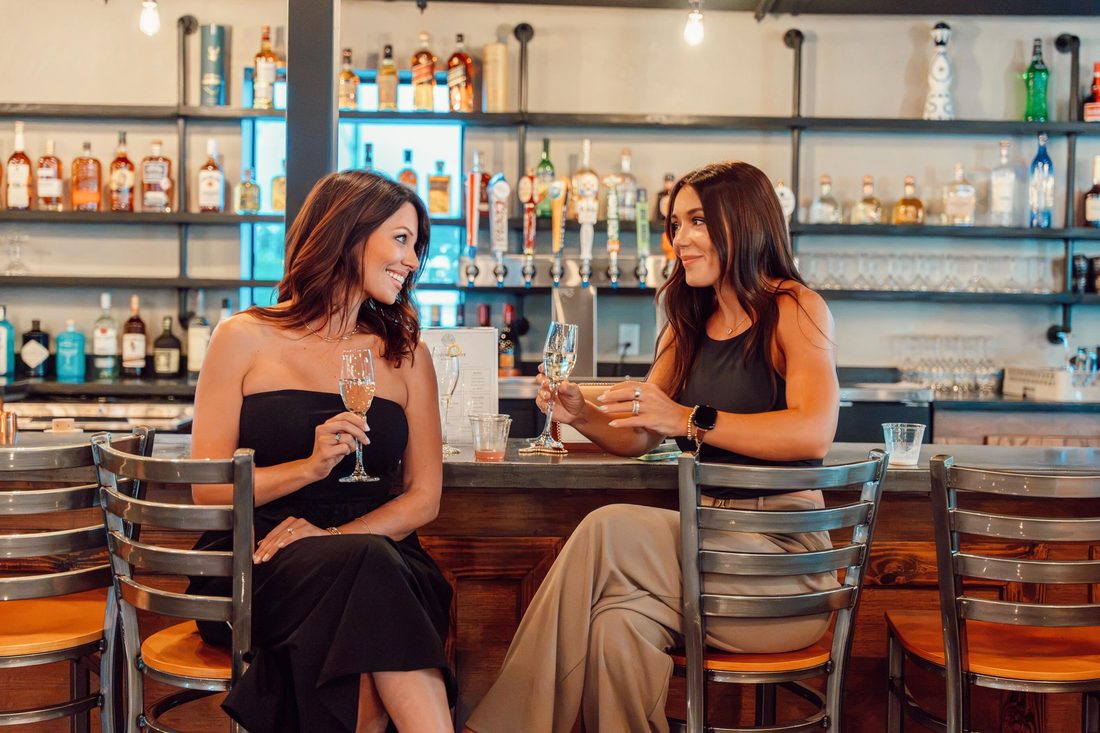
We are not just marketers, we are builders.
Every campaign, every website, and every brand we create is engineered to perform.Our vision
Our vision is to transform websites into high-performing digital engines that drive real growth, build lasting customer relationships, and fuel business success online.
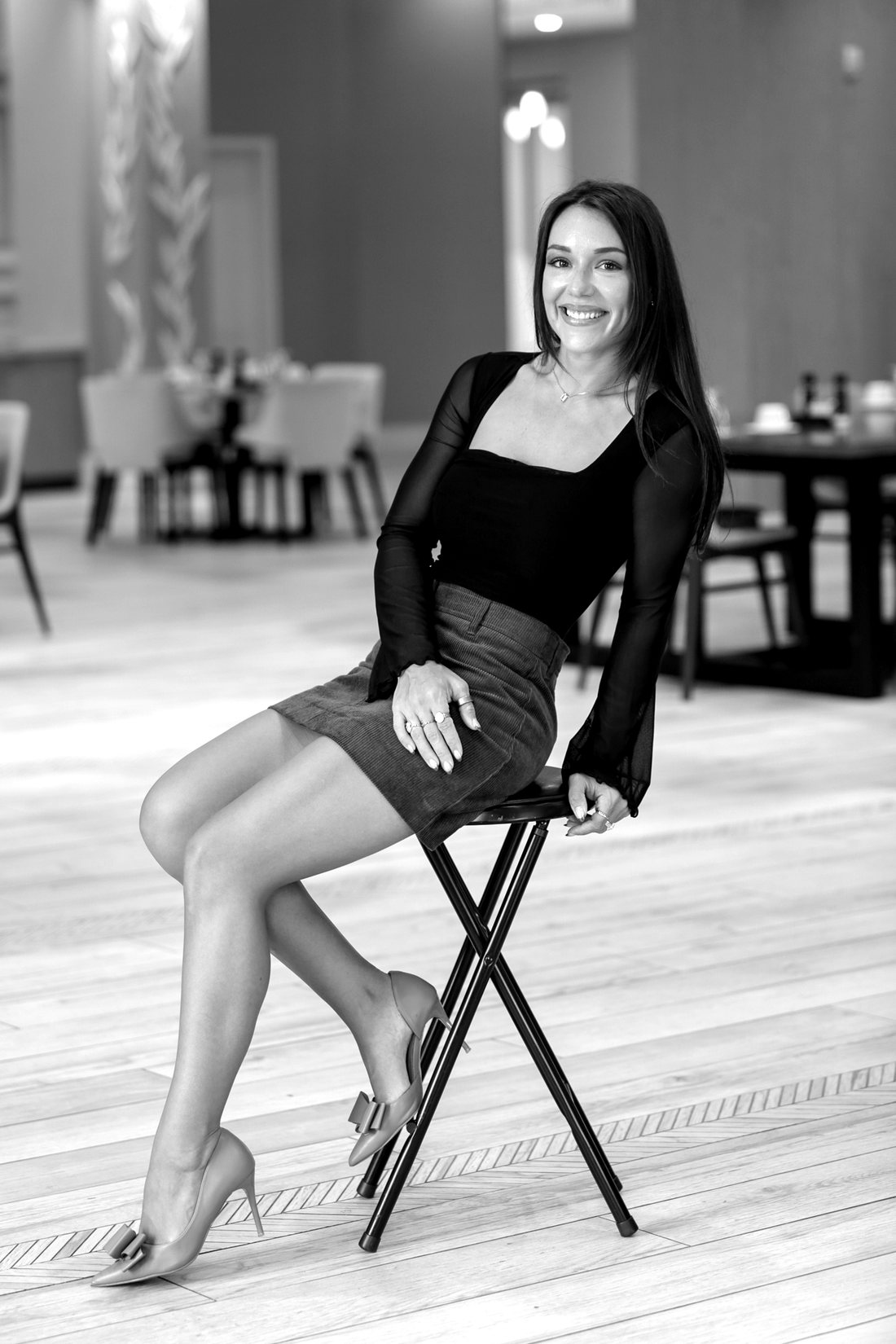
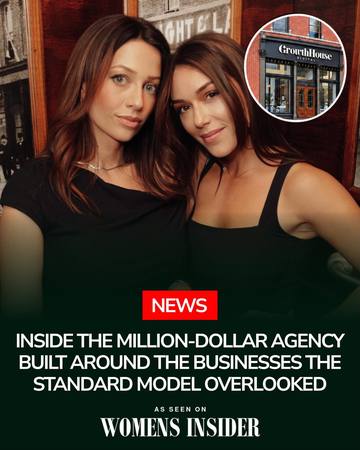
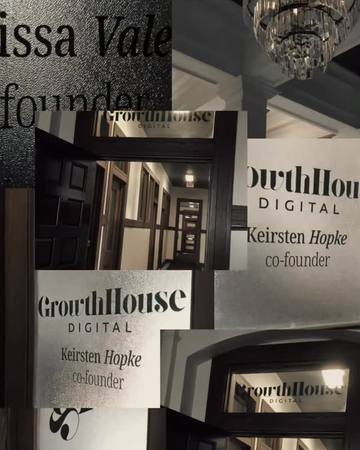
 Keirsten Hopke & Carissa Vale, co-founders
We Help Solve the Problems That Are Costing You Customers
We help you identify what’s costing you customers, then build the strategy, technology, and campaigns needed to turn that around.
Book a free consultation call with our team today!
GrowthHouse Services
Proven solutions built to strengthen your brand and drive growth.
Web Design
Conversion-focused builds that turn traffic into customers.
SEO
Rank higher and drive organic growth.
Paid Ads
Google, Facebook, LinkedIn. Performance-driven.
Social Media
Content, engagement, & strategy that moves the needle.
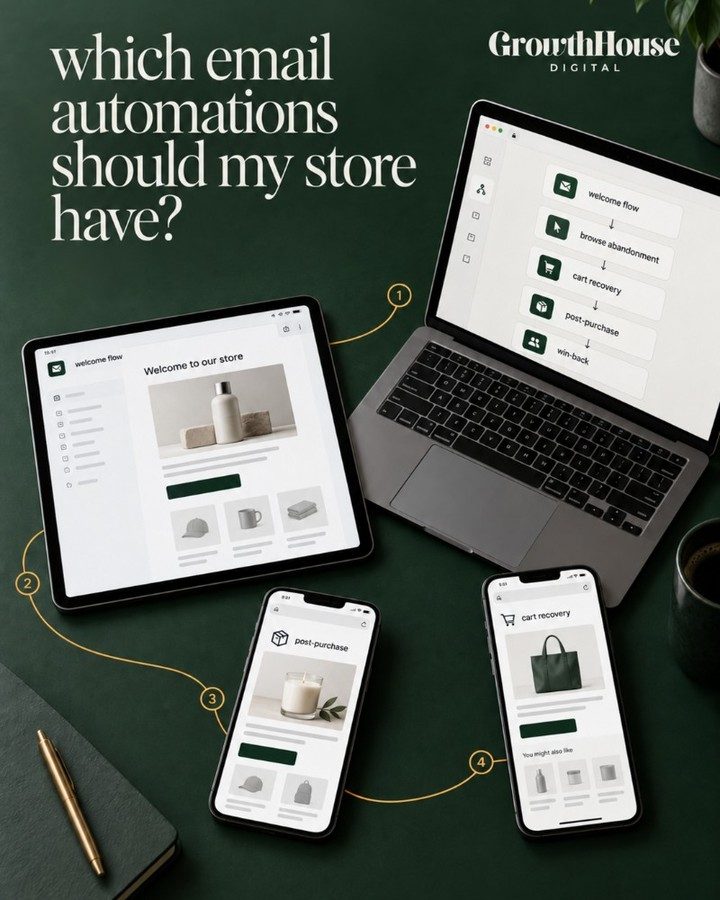
Email Marketing
Automations and campaigns that boost revenue.
Print & Graphic Design
Brand assets, business cards, packaging, printed collateral.
SMS Marketing
High-ROI messaging with segmentation and automation.
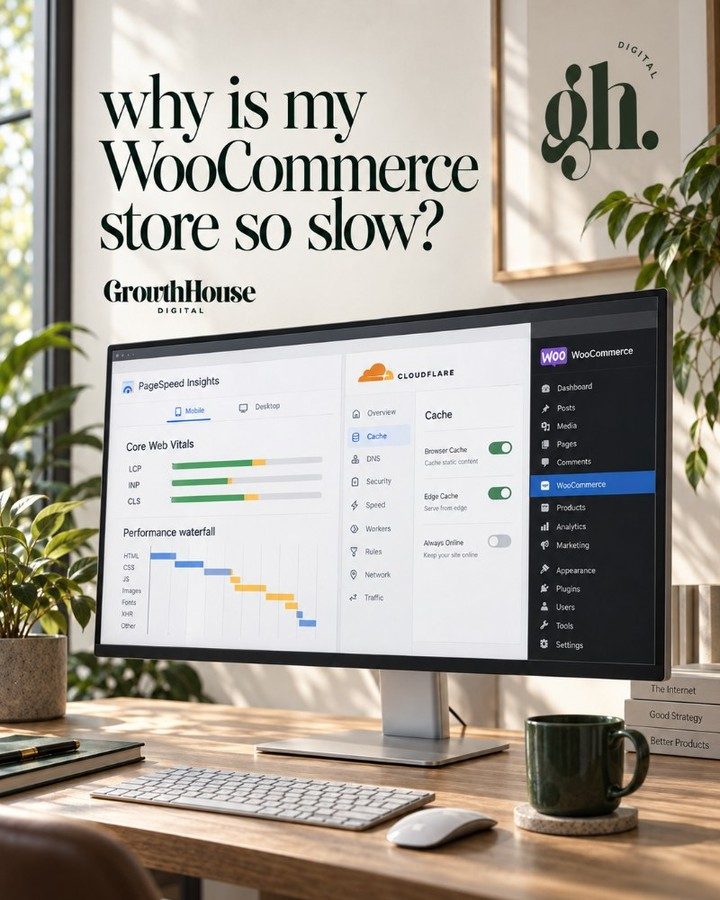
Web Hosting & Maintenance
Fast, secure, hands-off hosting with daily updates.
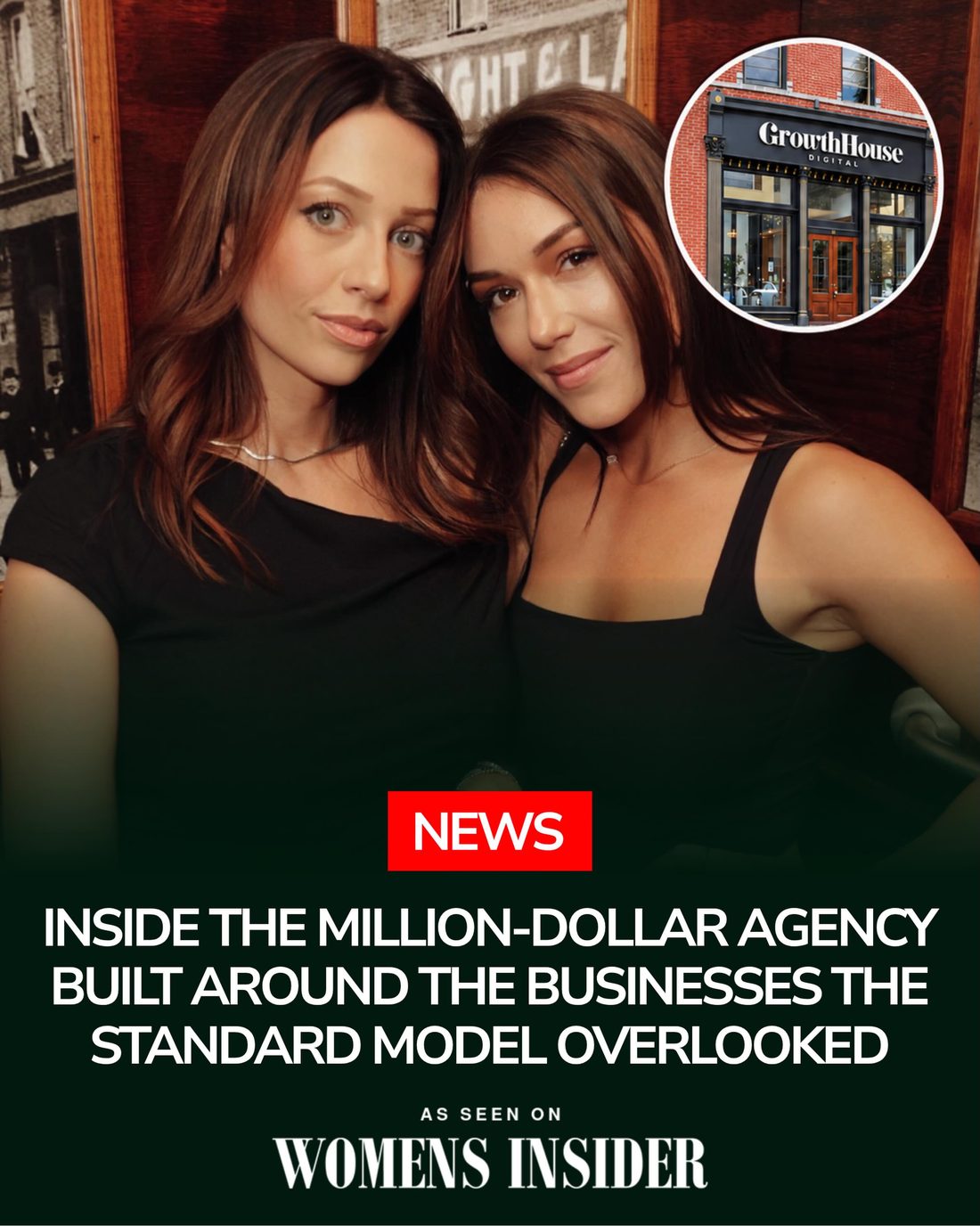
As seen on WOMENS INSIDER
Inside the million-dollar agency built around the businesses the standard model overlooked.
A million-dollar agency built around the businesses the standard model overlooked. That’s our story, and it’s now featured in Women’s Insider.
By The Numbers
Real Performance. Proven Results.
Client revenue generated in 2026, up from $808k in 2025
Ad spend profitably managed
Website visitors driven for clients
Seven- and eight-figure converting websites built annually
Brands grown by one team
Client retention since 2018
Brands we build for



















Turn Clicks Into Customers
Built for eCommerce Brands Who Need More Than a Pretty Website
Book a free consultation call to learn more about our design and development services
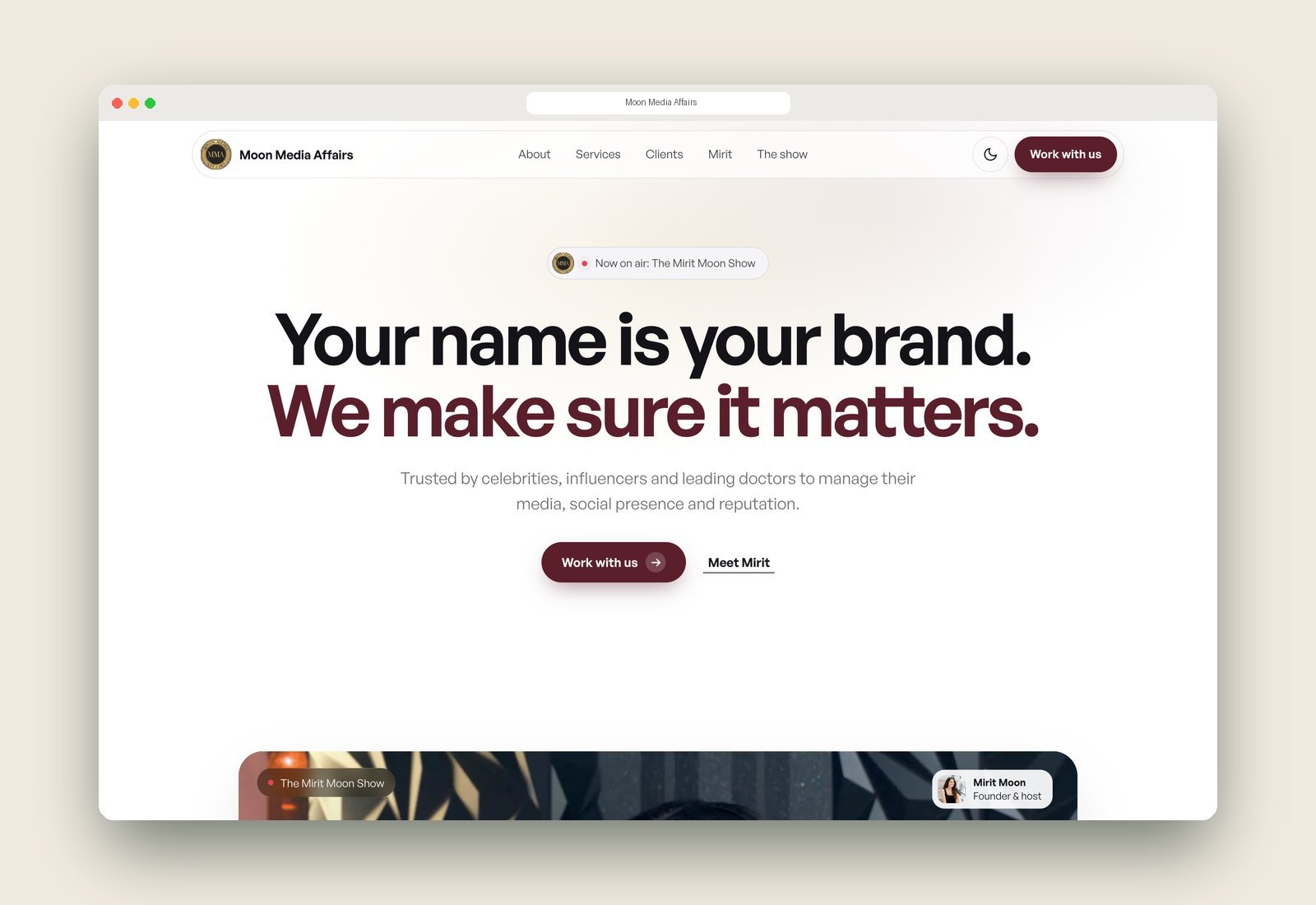 Inside the million-dollar agency, as seen on Women's Insider
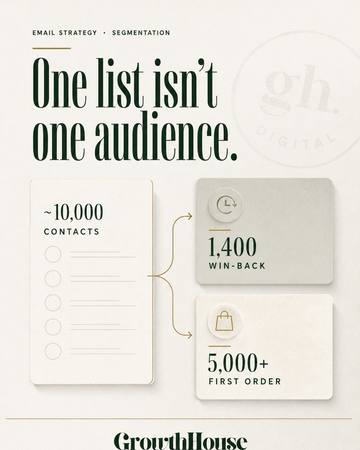
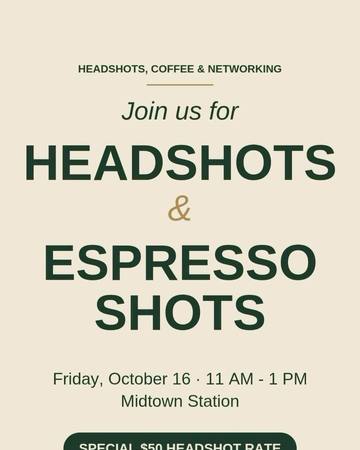
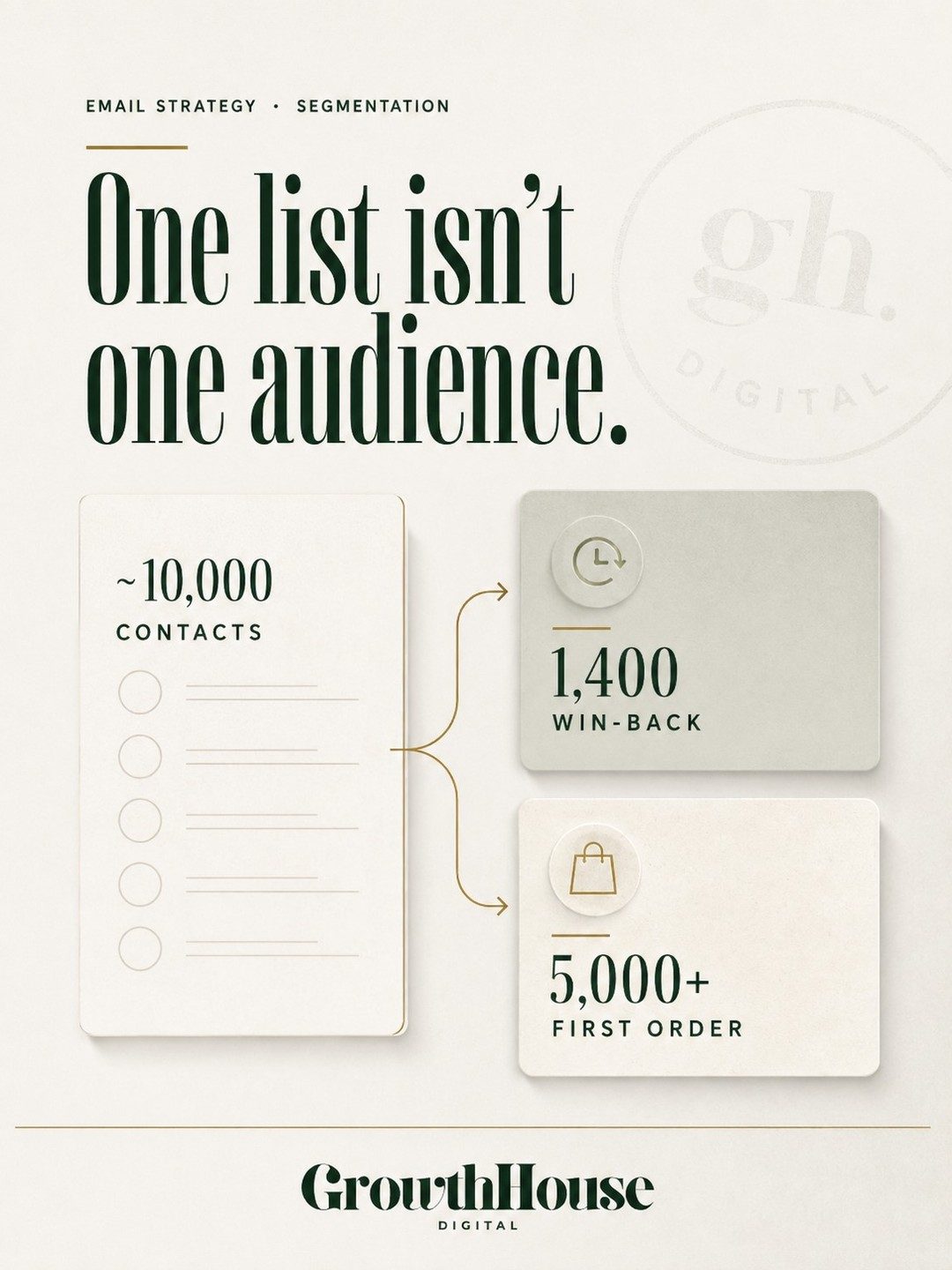
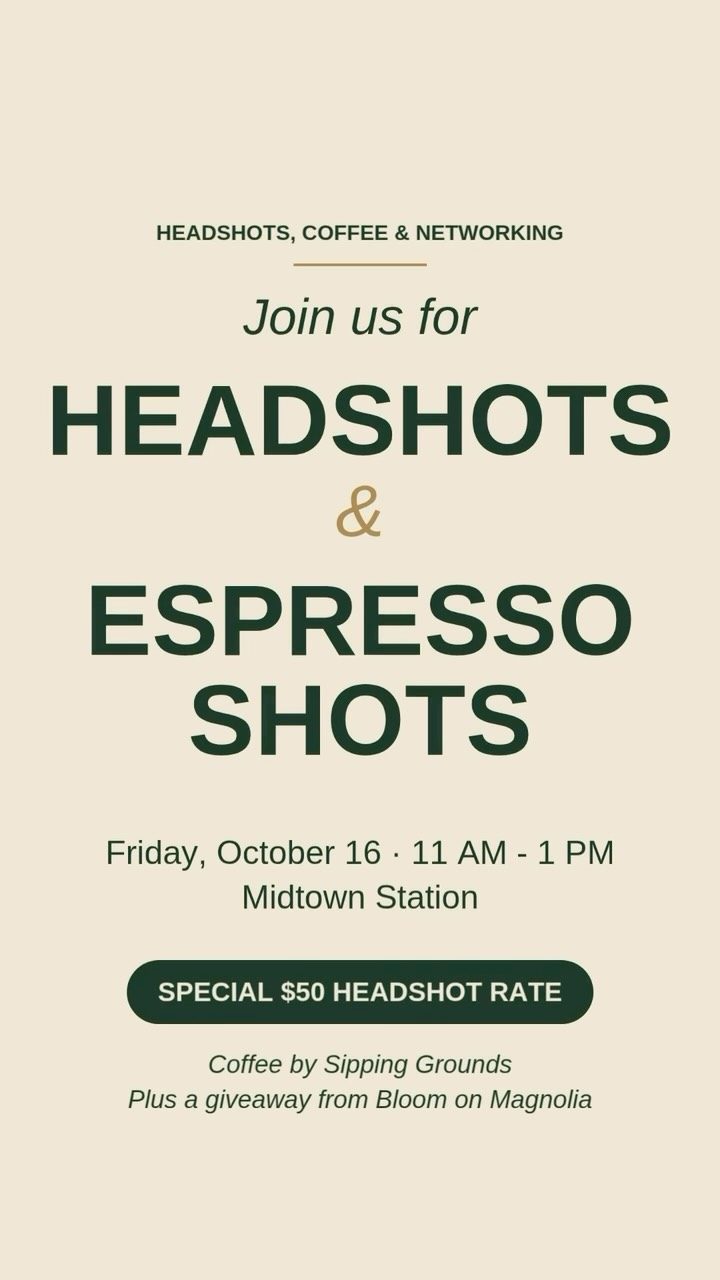 Headshots and Espresso Shots, Friday, October 16One list isn’t one audience
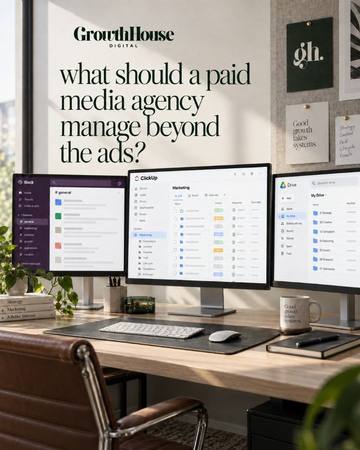
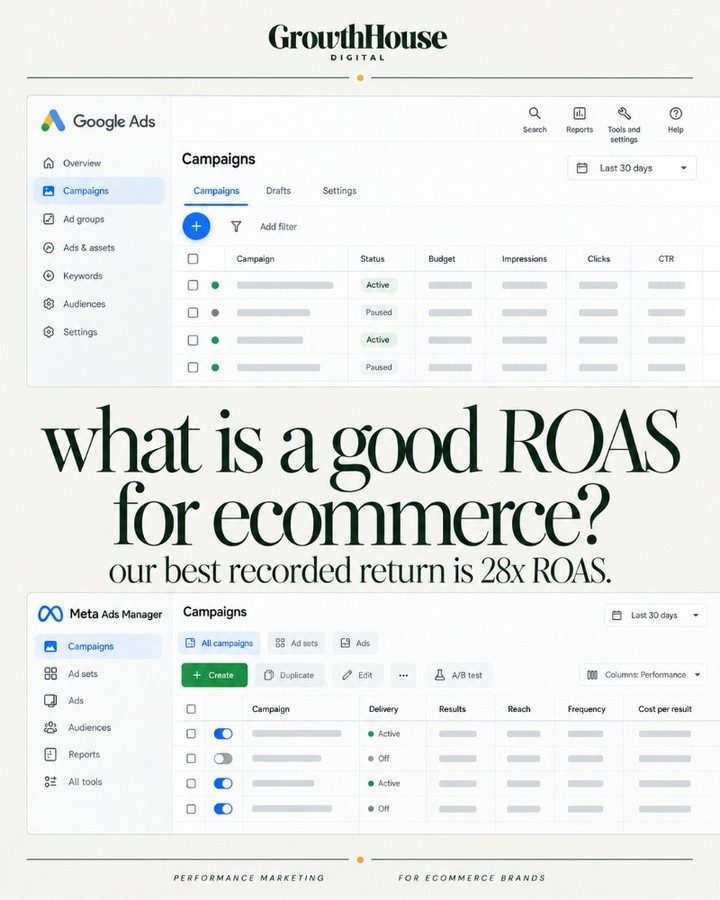
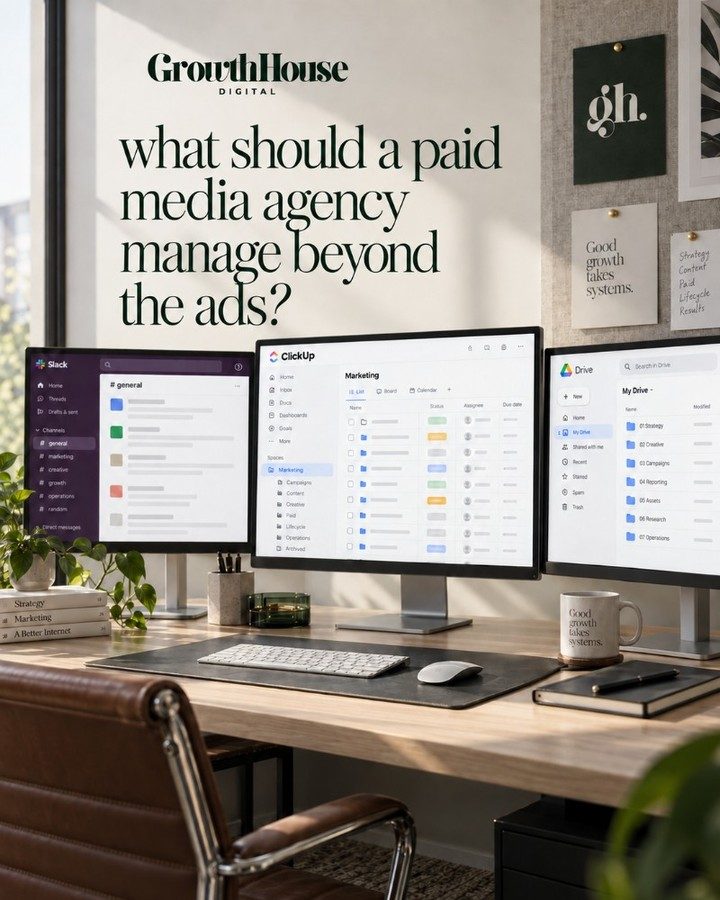 What should a paid media agency manage beyond the ads?
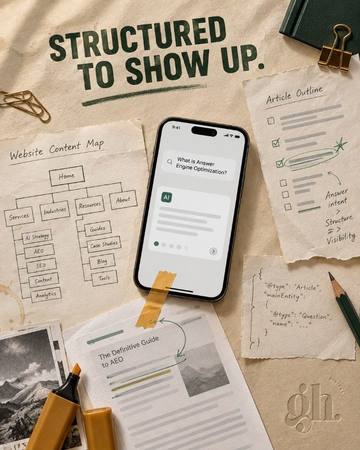
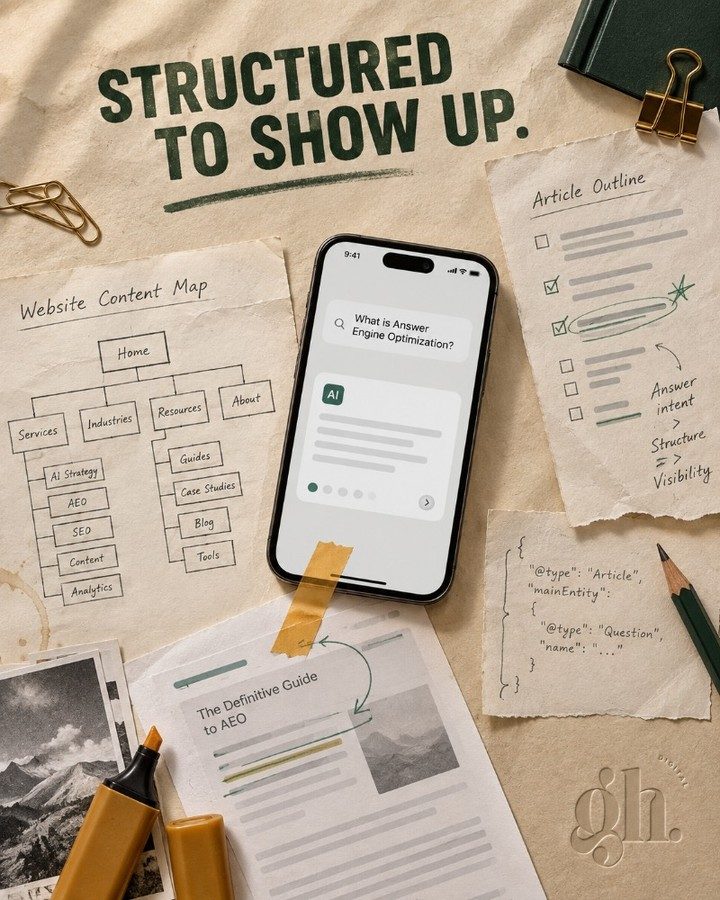
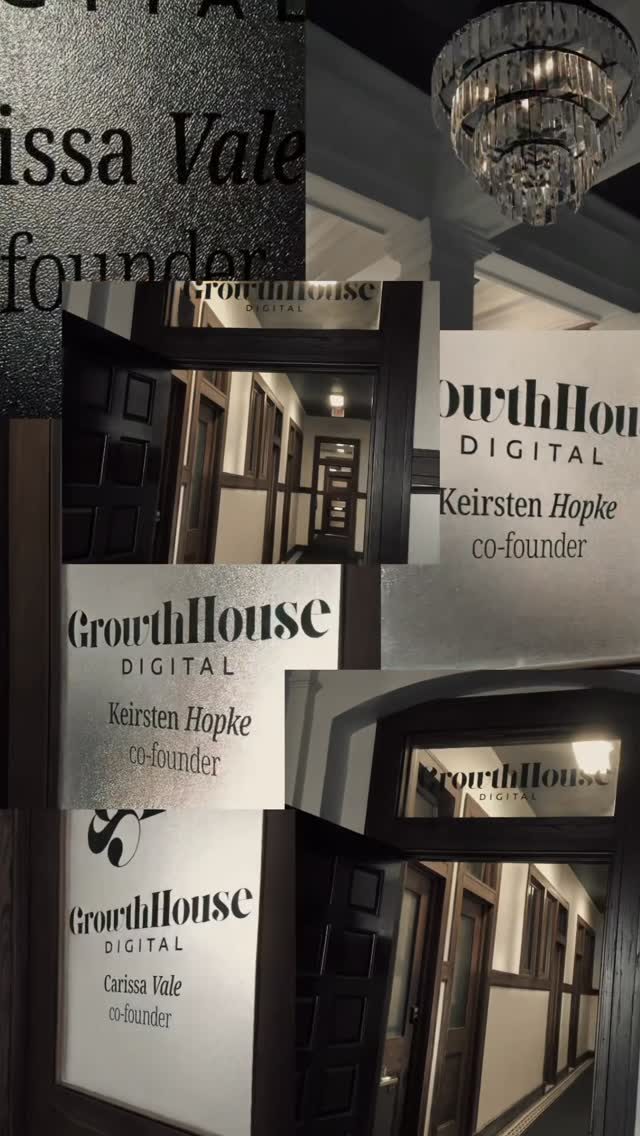 It is my name on that door, and I do not give upFor the brands without a playbookStructured to show up in AI answers
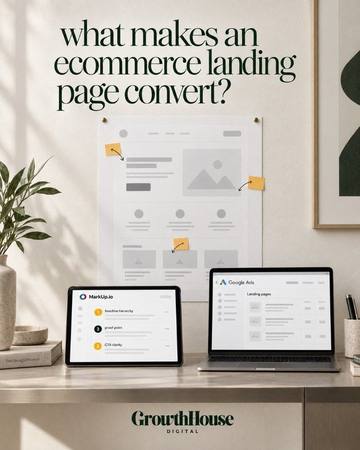
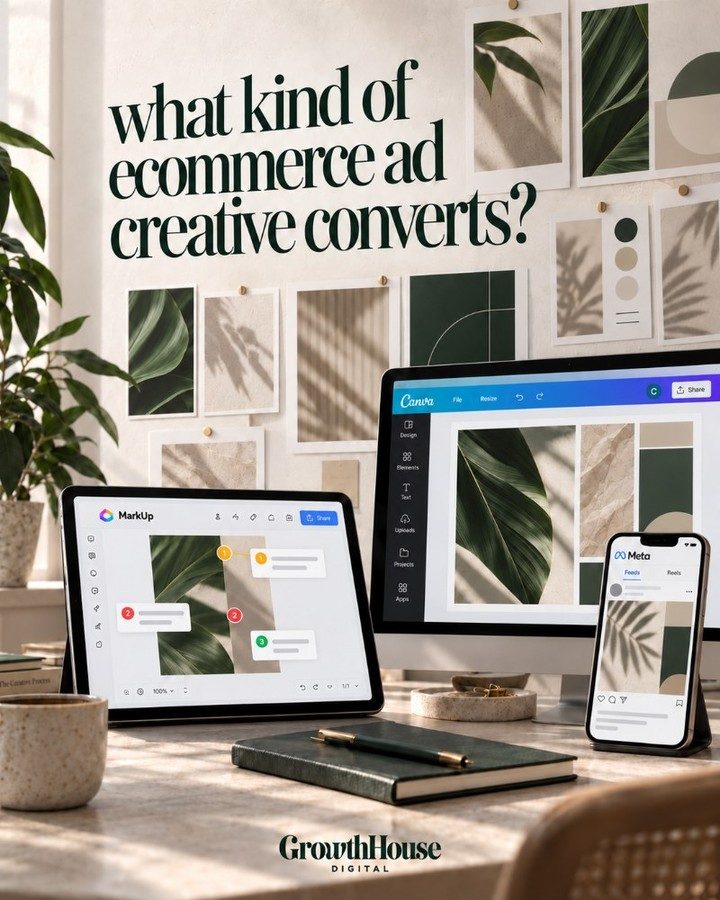
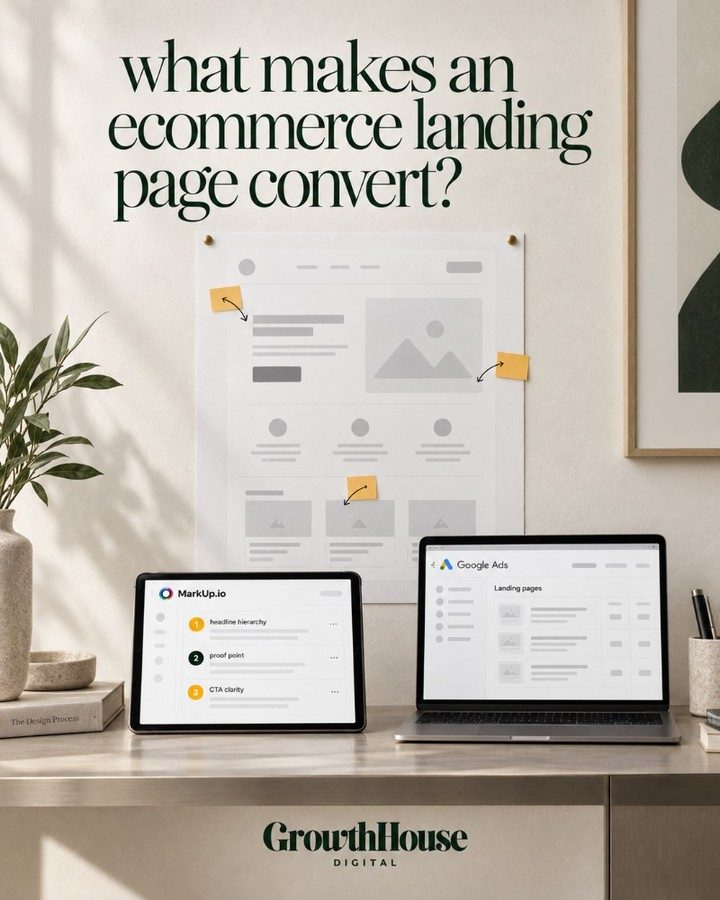 What makes an ecommerce landing page convert?
 A new level of attention
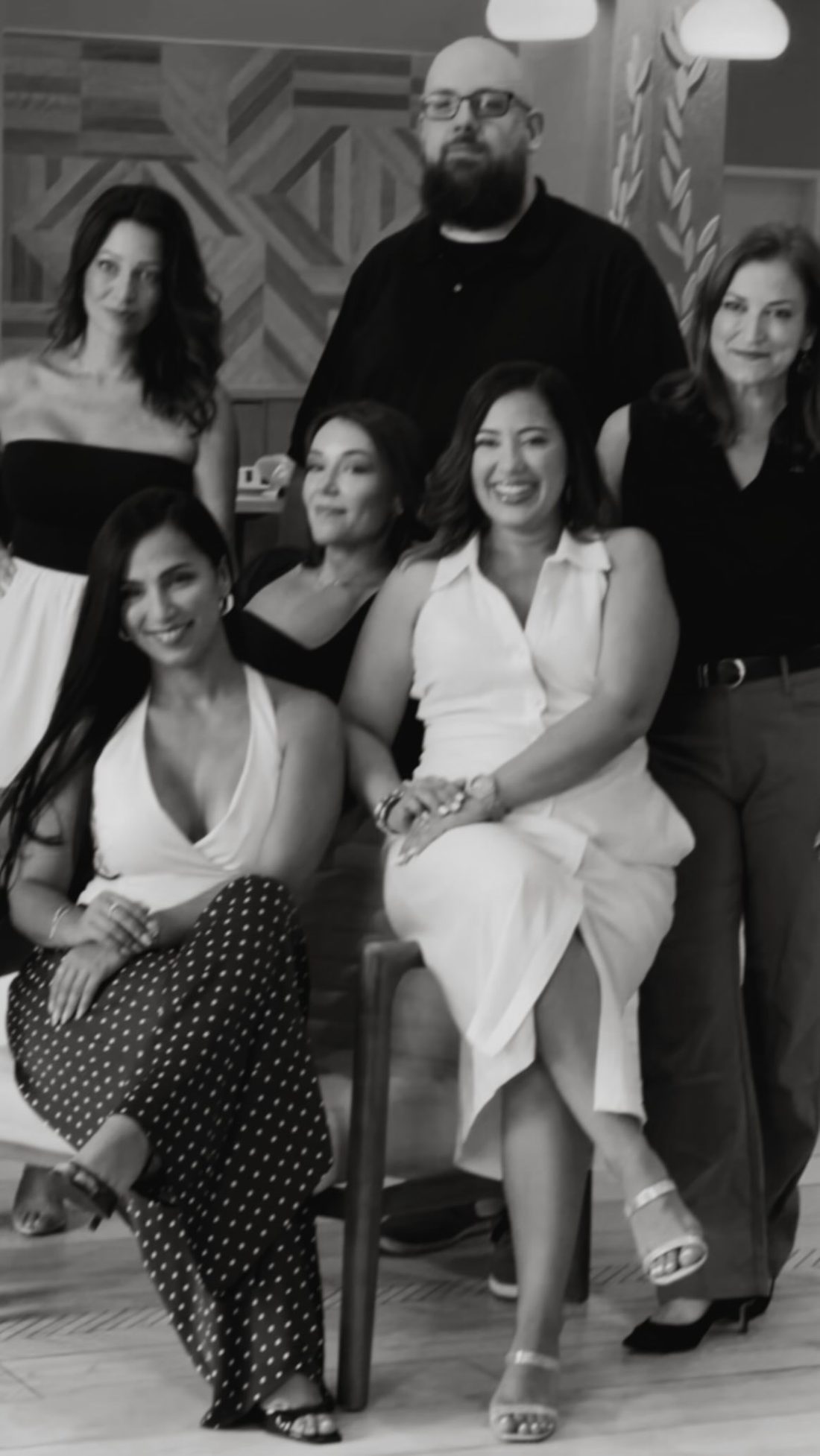 Save the date, October 16, Ocala
 The site changes, sales keep movingWe named this company in about five minutes